Sovereign Carbon Initiative
"I have also directed the government to involve as many young people as possible in environmental preservation and the fight against climate change. This is the purpose of the Green Jobs Promotion Programme currently being implemented. It will ultimately create more than ten thousand jobs through income-generating activities in areas such as sanitation, waste recycling and organic farming."
H.E. President of the Republic of Cameroon Paul Biya,
Message to the Youth, February 11, 2025.
At a time when Africa, and Cameroon, are directly impacted by climate change, the Republic of Cameroon has created the Sovereign Carbon Initiative with the introduction of a Carbon Contribution.
This initiative is in keeping with the urgency of the situation, and with Cameron's commitment to reduce its greenhouse gas (GHG) emissions by 35% by 2030, in line with the objectives of the Paris Agreement, which aims to keep global warming below 1.5°C compared with pre-industrial levels.
Mandatory contribution
Based on the "Polluter Pays" principle applied in over 35 countries representing more than 70% of the world's GDP, this is a carbon contribution instituted by the Presidency of the Republic, to be paid by the main GHG emitters (the "Obligated"), including air and maritime sector entities based in the Republic of Cameroon.

Voluntary contribution
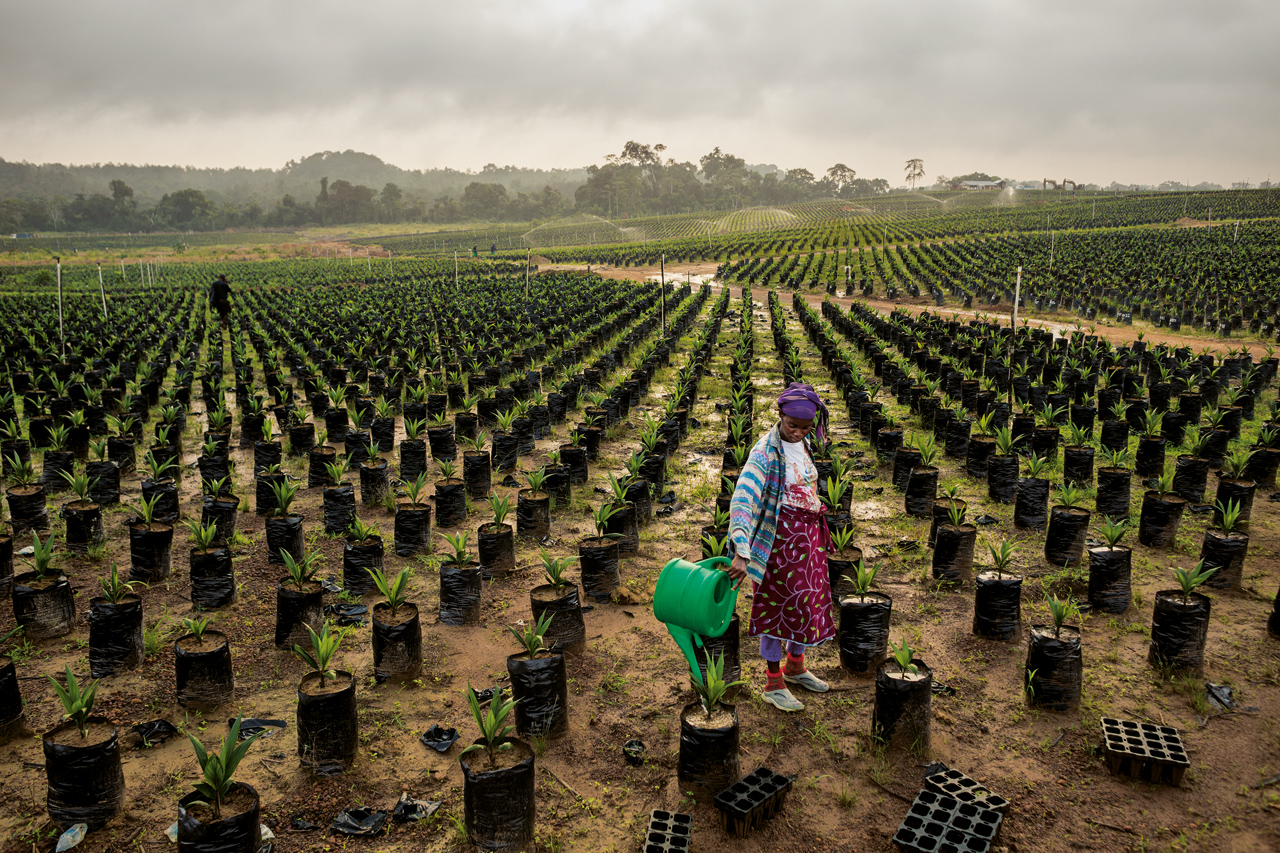
All economic players operating in the Republic of Cameroon are encouraged to join this initiative on a voluntary basis and contribute their expertise, know-how or financing.
Our mission
The mission of the Sovereign Carbon Initiative of the Republic of Cameroon is to support Cameroon's ecological and energy transition objectives in order to achieve the country's commitment to reduce its GHG emissions by 35% by 2030. The priority objectives of the carbon contribution are to
- Set up a Maritime and Aviation Carbon Registry enabling Obligated and Voluntary Emitters to record their actual emissions and track their contribution and offsetting efforts,
- To finance and carry out impact programs for the benefit of the most vulnerable populations most exposed to the consequences of global warming. These programs will meet the Sustainable Development Goals as defined by the United Nations,
- Develop programs to strengthen Cameroon's food sovereignty.
- Design and implement environmental and energy carbon avoidance and sequestration programs alongside specialized third-party investors. These will include reforestation projects, biodiversity preservation and restoration, and renewable energy production.
AGENDA
June 2026Phase 1
Signature of the Cameroonian Carbon InitiativeJuly 2026Phase 2
Creation of the Maritime and Aviation Carbon Registry
Raising awareness of its use among obligated entitiesAugust 2026Phase 3
Official launch of Cameroon's Sovereign Carbon Initiative